
Embracing the Future: Integrating Freelancers into Your Organisational Operating Model


SAKET BIVALKAR
Saket’s focus is on helping organisations to become flexible and adaptive, while emphasising that people in the organisation grow as well. His experience includes working with a range of organisations from large, complex global enterprises to small entrepreneurial start-ups.
Flexible Organisational Structure
Clear Communication Channels
Inclusive Culture
Efficient Management Systems
Legal and Administrative Considerations
Technology Integration
Talent Management

Real-World Examples
Challenges and Best Practices
Challenges
Best Practices
Conclusion
In conclusion, by implementing these strategies and best practices, organizations can create a robust operating model that effectively integrates freelancers with traditional employees, enhancing overall productivity and innovation. At Versatile Consulting, we are committed to helping you navigate this transformation, ensuring your organization thrives in the ever-changing business environment.
Ready to innovate your operating model? Contact us today to explore how we can support your journey towards a more flexible and adaptive organization.

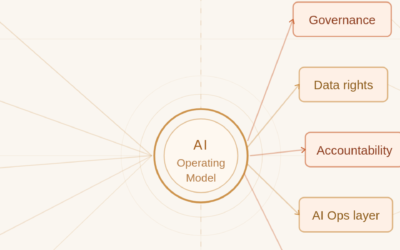
AI Transformation in Telco – Operating Model or Technology?
Most telco AI programmes do not stall because the technology fails. They stall because the operating model was never designed to absorb what the models produce. This article breaks down what the CTO needs to own, and the three operating model gaps that will block deployment regardless of how good the models are.
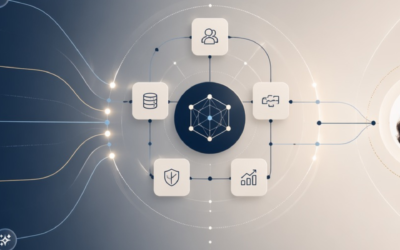
Why AI Use Cases Fail Without an Enterprise AI Operating Model.
Most AI programmes deliver isolated efficiency gains but fail to improve customer experience. The missing link is an enterprise AI operating model that connects internal activity chains to external outcomes.

Does AI Adoption Require Restructuring Your Organization?
AI adoption often does require restructuring, but not in the way most leaders think. The real shift is not org chart theatre. It is workflow redesign, clearer decision rights, stronger governance, and roles built for human and AI collaboration.