


SAKET BIVALKAR
Business Coach
Change is the lifeblood of organizations striving for growth and success. Yet, amidst the waves of transformation, many organizations grapple with a pervasive problem – uncoordinated change efforts. This issue, often lurking beneath the surface, can prove to be the Achilles’ heel of even the most promising initiatives. Let’s explore the challenges organizations face when change efforts are not properly coordinated and how to steer towards smoother waters.
The Hidden Costs of Uncoordinated Change: Organizations facing multiple change initiatives without coordination often find themselves caught in a perfect storm of challenges. Here are some of the key issues they encounter:
- Duplication of Efforts: Resources are squandered on repetitive tasks, leaving little room for innovation.
- Conflicts and Competition: Internal strife can jeopardize the collective pursuit of success.
- Inefficiency: The absence of a holistic approach leads to disjointed progress.
- Mixed Messages: Confusion and resistance thrive in the absence of unified messaging.
- Overwhelmed Workforce: Employee burnout and reduced productivity become critical concerns.

Plotting the Course to Success: To navigate the turbulent waters of uncoordinated change, organizations must implement a structured approach:
1. Establish a Change Management Office (CMO): Centralize oversight and provide a common framework for managing change.
2. Define a Change Portfolio: Prioritize change initiatives based on their strategic importance and impact.
3. Promote Collaboration: Encourage open communication and collaboration across departments.
4. Appoint Change Champions: Identify advocates who can unify the vision and provide support.
5. Implement Governance: Create a governance structure to ensure alignment with the overall strategy.
6. Monitor and Learn: Continuously evaluate and improve change initiatives.
Conclusion: In the realm of change management, unity is strength. Uncoordinated efforts can undermine the best-laid plans. By addressing the challenges head-on and fostering a culture of coordination, organisations can unlock their true potential in the face of change.
In the ever-evolving landscape of business, the ability to steer change efficiently and cohesively is a hallmark of success. Let’s embark on this journey together and make waves of positive transformation. 💼🌊
#ChangeManagement #BusinessTransformation #Coordination #SuccessInChange
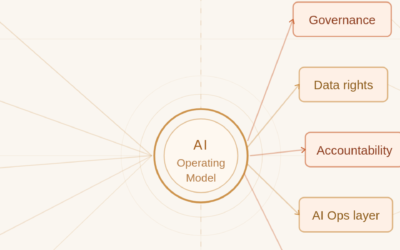
AI Transformation in Telco – Operating Model or Technology?
Most telco AI programmes do not stall because the technology fails. They stall because the operating model was never designed to absorb what the models produce. This article breaks down what the CTO needs to own, and the three operating model gaps that will block deployment regardless of how good the models are.

Why AI Use Cases Fail Without an Enterprise AI Operating Model.
Most AI programmes deliver isolated efficiency gains but fail to improve customer experience. The missing link is an enterprise AI operating model that connects internal activity chains to external outcomes.

Does AI Adoption Require Restructuring Your Organization?
AI adoption often does require restructuring, but not in the way most leaders think. The real shift is not org chart theatre. It is workflow redesign, clearer decision rights, stronger governance, and roles built for human and AI collaboration.
0 Comments