


SAKET BIVALKAR
Business Coach
Navigating the intricate terrain of organisational transformation has afforded me valuable insights into the dynamics of change initiatives. A notable observation from my experiences involves the tendency for initiatives to operate in silos, missing the potential for significant impact through alignment. Let’s delve into a pertinent example that underscores the importance of consciously aligning change initiatives.
In a recent scenario, a seasoned professional was at the helm of two concurrent initiatives—an Agile transformation and the implementation of a flat organisational structure. Despite addressing similar aspects related to structure and processes, these initiatives were intentionally kept separate.
The question arises: Why?
Several factors could contribute to this deliberate separation, ranging from a lack of comprehensive awareness to differing financial objectives for each initiative. Regardless of the rationale, what becomes evident is a missed opportunity for organizations to amplify the impact of their transformative endeavors.
Drawing upon my experience, I emphasize the importance of leaders recognizing and actively pursuing opportunities for alignment. Here are key considerations based on my journey in business transformation:
- Strategic Alignment of Objectives: Identify and align common objectives across initiatives. In the case of concurrent Agile transformation and flat structure implementation, recognizing the shared goal of optimizing processes and structures is crucial.
- Resource Optimization and Efficiency: Combining efforts facilitates a more efficient use of resources. Pooling resources, both human and financial, can yield a streamlined and cost-effective change process.
- Holistic Change Leadership: Viewing change initiatives as interconnected components of a broader transformation journey contributes to a more comprehensive and enduring organizational evolution.
- Facilitating Collaborative Communication: Integrated initiatives foster open communication among teams, creating a collaborative atmosphere conducive to continuous improvement.
In conclusion, strategic alignment in change initiatives is a valuable approach that can significantly enhance organizational outcomes. Breaking down silos, fostering alignment, and leveraging the combined power of transformative efforts can propel organizations towards lasting success.
Feel free to share your insights and join the conversation on the untapped potential of aligning change initiatives. The journey towards transformative success is one that benefits from collective wisdom.
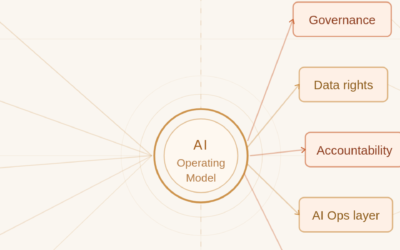
AI Transformation in Telco – Operating Model or Technology?
Most telco AI programmes do not stall because the technology fails. They stall because the operating model was never designed to absorb what the models produce. This article breaks down what the CTO needs to own, and the three operating model gaps that will block deployment regardless of how good the models are.

Why AI Use Cases Fail Without an Enterprise AI Operating Model.
Most AI programmes deliver isolated efficiency gains but fail to improve customer experience. The missing link is an enterprise AI operating model that connects internal activity chains to external outcomes.

Does AI Adoption Require Restructuring Your Organization?
AI adoption often does require restructuring, but not in the way most leaders think. The real shift is not org chart theatre. It is workflow redesign, clearer decision rights, stronger governance, and roles built for human and AI collaboration.